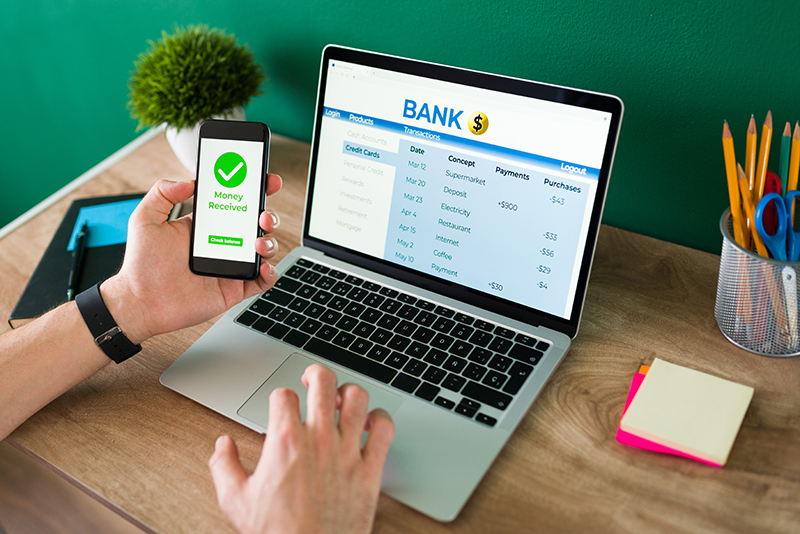
Opening a bank account is one of the first practical steps when moving from the United States to Brazil. Having a local account makes it much easier to handle payments, receive money, hire services, and manage your day-to-day finances.
Without a Brazilian bank account, even simple transactions—like paying bills or receiving funds—can become difficult.
Why open a bank account in Brazil?
Once you arrive in Brazil, many financial operations require a local account. Key benefits include:
- Receiving salaries or income in Brazil
- Paying bills (utilities, rent, internet, etc.)
- Using transfers such as PIX and TED
- Making purchases with debit or credit cards
- Avoiding high international conversion fees
Having a local account also helps you integrate into Brazil’s financial system and adds convenience and security to your daily transactions.
Can foreigners open a bank account in Brazil?
Yes, foreigners can open a bank account in Brazil. However, the process may vary depending on the bank and your visa or residency status.
In most cases, banks require basic documentation to be regularized in Brazil, including a CPF and proof of address.
To understand in detail which type of visa is best for your situation, check out our complete guide on
👉 How to get a visa to live in Brazil
Required documents
While requirements vary by institution, the most common documents include:
- Active CPF
- Identification document (passport or CRNM/RNE)
- Proof of address in Brazil
- Proof of income (in some cases)
Having all documents ready can speed up the process and help avoid delays.
See the complete step-by-step in this guide:
👉 How to get a CPF in Brazil as a foreigner
Types of bank accounts available
In Brazil, you’ll find different types of bank accounts:
Checking Account (Conta Corrente)
The most common option, ideal for daily transactions, payments, and receiving funds.
Savings Account (Conta Poupança)
Designed for saving money with basic interest earnings.
Digital Account
Offered by digital banks, usually with less bureaucracy and lower fees.
Many foreigners choose digital accounts at first because they are faster and easier to open.
Traditional banks vs. digital banks
Brazil has a wide range of financial institutions. Traditional banks offer in-person service and a full suite of products, while digital banks stand out for convenience and lower costs.
The best choice depends on your profile and how you plan to manage your finances.
Tips to make the process easier
- Obtain your CPF before applying
- Have a valid proof of address in Brazil
- Check whether the bank accepts foreigners without permanent residency
- Consider starting with a digital bank for faster approval
Transferring money from the U.S. to Brazil
Another important aspect is understanding how to transfer money from the United States to your Brazilian account. Several platforms offer international transfers with more competitive fees than traditional banks.
Planning these transfers carefully can help you save money over time.
Start off on the right foot
Opening a bank account in Brazil is a key step in organizing your new financial life. With proper planning and the right documents, the process can be simple and fast.
Learn how to open your account without complications in this article: how to open a bank account in Brazil as an American.
To fully understand the entire process of moving from the United States to Brazil, check out our complete guide:
👉 How to Move from the United States to Brazil: Complete Guide 2026
Everything You Need to Know Before Moving to destination
Our team compiled 28+ years of experience helping Americans relocate
to Brazil into a free step-by-step guide.