Deciding whether it’s worth living in Brazil is a very personal choice—and one that depends on your lifestyle, goals, and expectations. For those moving from the United States, this decision involves comparing two very different realities, both financially and culturally.
Brazil can offer a more balanced quality of life, but it also comes with challenges that should be carefully considered.
Quality of life: one of the main advantages
Many people who move to Brazil highlight an improved quality of life as one of the biggest benefits. The country offers:
- Warmer, more pleasant weather throughout most of the year
- Stronger social connections and closer family ties
- A more relaxed pace of life compared to major U.S. cities
- Easy access to leisure, beaches, and nature
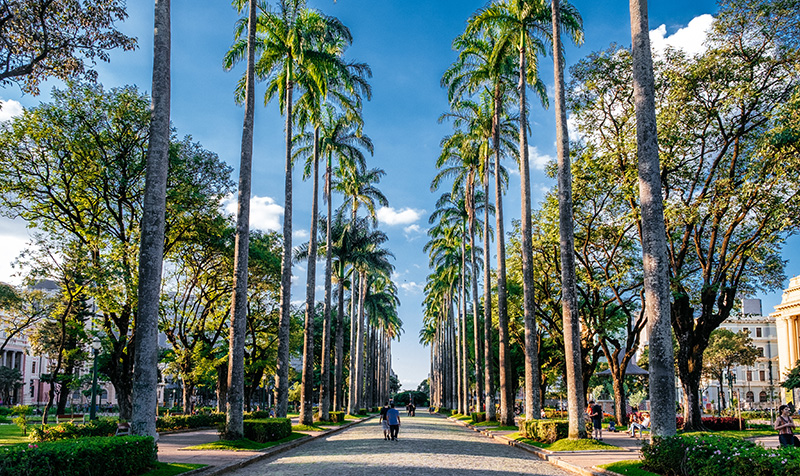
Cities like Rio de Janeiro and Florianópolis are great examples of places that combine urban infrastructure with natural beauty.
Discover the best cities as destination options in this article:
👉 Best cities in Brazil for foreigners to live
Lower cost of living
Another key factor is affordability. In general, living in Brazil can be significantly cheaper than in cities like Miami or New York.
Expenses such as housing, food, and services tend to be lower—especially for those earning in U.S. dollars. This can greatly increase purchasing power and overall lifestyle.
Want to know exactly how much you can save? Check out our detailed comparison on
👉 Cost of living in Brazil vs United States
Culture and lifestyle
Brazil is known for its cultural diversity, hospitality, and laid-back lifestyle. For many, moving there means having more time to enjoy life, family, and leisure activities.
On the other hand, these cultural differences may require an adjustment period, especially for those used to the structure and pace of life in the United States.
Challenges to consider
Despite its advantages, living in Brazil also comes with some important challenges:
- Bureaucracy in processes and services
- Variability in the quality of public services
- Safety concerns in certain areas
- Infrastructure differences depending on the city
These factors should not be overlooked and are part of making an informed decision.
Job market and income
If you plan to work in Brazil, it’s important to note that salaries are generally lower than in the United States. For this reason, many people choose to maintain income from abroad, work remotely, or start their own business.
This strategy can significantly impact your financial experience in the country.
Who benefits the most?
Living in Brazil tends to be especially beneficial for:
- Brazilians returning home
- Retirees with income in U.S. dollars
- Remote workers
- People who prioritize quality of life over higher income
For these profiles, Brazil can offer an excellent cost-benefit balance.
So, is it worth it?
In most cases, yes—if properly planned. Brazil can provide a more relaxed lifestyle, lower costs, and stronger social connections. However, it’s essential to be prepared for the challenges and adjust expectations accordingly.
A well-informed decision makes all the difference
Moving to another country is a major life decision that affects every aspect of your life. Carefully weighing the pros and cons is the best way to ensure a positive experience.
See a complete analysis here: is it worth living in Brazil.
To fully understand the entire process of moving from the United States to Brazil, check out our complete guide:
👉 How to Move from the United States to Brazil: Complete Guide 2026
Everything You Need to Know Before Moving to destination
Our team compiled 28+ years of experience helping Americans relocate
to Brazil into a free step-by-step guide.